
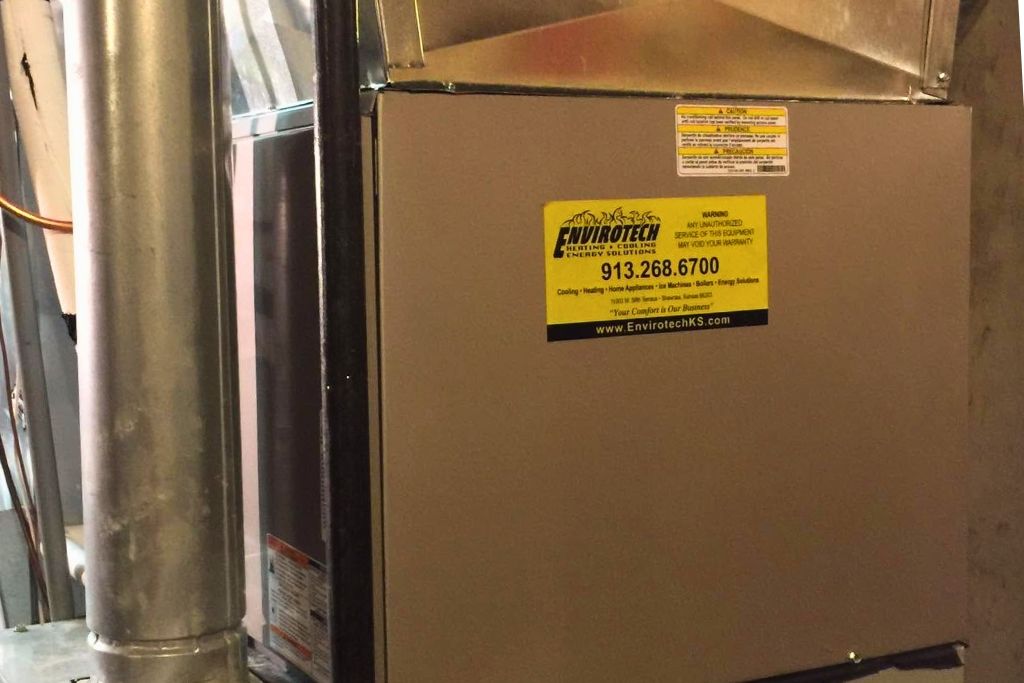
Have you ever turned on your HVAC system and noticed a strange, musty smell coming from your vents? Maybe it reminds you of dirty socks, a locker room, or a damp basement.
While it might sound funny, there’s actually a name for this HVAC issue: Dirty Sock Syndrome.
As temperatures change throughout the Kansas City area, homeowners may notice unusual odors coming from their heating and cooling systems. Some smells are harmless and temporary, while others can indicate that something needs attention.
Here’s what homeowners should know about Dirty Sock Syndrome, what causes it, and how to keep their homes feeling fresh and comfortable.
What Is Dirty Sock Syndrome?
Dirty Sock Syndrome is a term used to describe an unpleasant, musty odor that comes from an HVAC system, often when the system first starts running.
The smell is commonly compared to dirty gym socks, a locker room, or something damp that’s been sitting too long.
Unlike the temporary dusty smell you might notice when turning on your furnace for the first time, Dirty Sock Syndrome is typically associated with microbial buildup on components of your cooling system, particularly the indoor evaporator coil.
Although the odor may be more noticeable when your system starts up, it can sometimes linger or return whenever the system runs.
What Causes Dirty Sock Syndrome?
Your HVAC system doesn’t just heat and cool your home. When your air conditioner runs, it also removes moisture from the indoor air.
As warm air passes over the cold evaporator coil, condensation forms. Under normal conditions, that moisture drains away through the system’s condensate drain.
However, when moisture, dust, and other buildup collect on HVAC components, they can create conditions where bacteria and other microorganisms may grow.
This buildup can produce unpleasant odors that circulate through your home when the system operates.
Several factors may contribute to the problem, including:
- Moisture collecting around the indoor cooling coil
- Dirt and debris buildup on HVAC components
- Drainage problems that allow water to remain in the system
- High indoor humidity levels
- Limited airflow or inadequate maintenance
The exact cause can vary, which is why it’s important to identify where the odor is coming from rather than simply trying to cover it up.
Why Is Dirty Sock Syndrome Common During Seasonal Changes?
Kansas weather can be unpredictable, especially during the transition from fall to winter.
One day you may need your air conditioner, and the next you’re turning on the heat!
During these changing temperatures, HVAC systems may switch between heating and cooling more frequently. Moisture can remain on the indoor coil after cooling cycles, and odors from existing buildup may become more noticeable when air begins circulating again.
Some heat pump systems can be particularly susceptible because the indoor coil may alternate between cooling and heating operation.
However, not every unusual smell during seasonal changes is Dirty Sock Syndrome.
A temporary dusty smell when a furnace first starts up is different from the persistent musty odor associated with microbial buildup.
If you’re unsure what’s causing a smell, it’s best to have your system checked.
Is Dirty Sock Syndrome Dangerous?
Dirty Sock Syndrome doesn’t automatically mean your HVAC system is unsafe, but persistent musty odors shouldn’t be ignored.
Microbial growth and excess moisture can affect indoor air quality, and certain individuals may be more sensitive to airborne irritants.
It’s also important to remember that not every HVAC odor has the same cause.
For example:
- Musty or damp odors may indicate moisture or microbial buildup.
- Burning or electrical smells may indicate an equipment problem.
- Rotten egg or sulfur-like odors may indicate a natural gas leak.
If you suspect a gas leak, leave the building immediately and contact your gas utility or emergency services from a safe location. Do not operate electrical switches or equipment.
If you notice a strong burning or electrical smell, turn off the system if it’s safe to do so and contact a professional.
The safest approach is to identify the source of an unusual odor rather than assuming it’s harmless.
How Can Homeowners Help Prevent Dirty Sock Syndrome?
While some causes require professional attention, there are several things homeowners can do to help maintain their HVAC systems.
Change Your Air Filter Regularly
A dirty filter can restrict airflow and allow more dust and debris to circulate through your system. Check your filter regularly and replace it according to its condition and manufacturer recommendations.
Keep Your Home’s Humidity Under Control
Excess indoor moisture can contribute to conditions that allow microbial growth. Maintaining appropriate indoor humidity levels can help improve comfort and reduce moisture-related problems.
Keep Vents and Registers Clear
Make sure your vents aren’t blocked by furniture, rugs, or other household items. Proper airflow helps your HVAC system operate as intended.
Schedule Routine HVAC Maintenance
Professional maintenance allows technicians to inspect components, identify drainage issues, and check for buildup that may be contributing to unpleasant odors.
Address Moisture Problems Early
If you notice water collecting around your indoor HVAC equipment or suspect a drainage problem, have it checked before it leads to additional issues.
What Should You Do If Your HVAC System Smells Like Dirty Socks?
If you’re noticing a persistent musty smell, the first step is to determine whether it’s coming from your HVAC system.
Start by checking your air filter and paying attention to when the smell occurs.
Does it happen when the AC starts? When the heat turns on? Does it disappear after a few minutes, or does it continue throughout the day?
These details can help an HVAC technician narrow down the cause.
A professional may need to inspect the evaporator coil, condensate drain, and other components to determine whether moisture or microbial buildup is responsible.
Depending on the findings, professional cleaning, drainage corrections, or other repairs may be recommended.
Avoid spraying household cleaners, fragrances, or disinfectants directly into your HVAC equipment. Products not designed for HVAC components can damage equipment or create additional problems.
Routine Maintenance Can Make a Difference
One of the best ways to stay ahead of unexpected HVAC problems is through preventative maintenance.
Just like changing the oil in your car, routine HVAC maintenance helps keep your system in good working condition and gives technicians an opportunity to identify potential concerns before they become larger issues.
At Envirotech Heating & Cooling, our Energy Savings Agreement (ESA) makes routine maintenance easier to stay on top of.
Instead of having to remember when your system needs service, we’ll reach out when it’s time to schedule.
It’s one less thing to worry about during the busy holiday season!
Frequently Asked Questions About Dirty Sock Syndrome
Why does my HVAC system smell like dirty socks?
A musty, dirty-sock smell may be caused by microbial buildup on the indoor evaporator coil or other damp HVAC components. However, other moisture-related problems can create similar odors, so an inspection may be needed to identify the cause.
Will Dirty Sock Syndrome go away on its own?
The odor may temporarily disappear, but it can return if the underlying moisture or buildup isn’t addressed. Persistent or recurring smells should be investigated.
Can a dirty air filter cause Dirty Sock Syndrome?
A dirty air filter can contribute to dust buildup and airflow problems, but it isn’t necessarily the direct cause of Dirty Sock Syndrome. Replacing the filter is a good first step, but persistent odors may require professional attention.
Is Dirty Sock Syndrome the same as a burning smell from my furnace?
No. Dirty Sock Syndrome typically produces a musty, damp odor associated with cooling-system components. A temporary dusty smell during the first furnace startup is different. Strong or persistent burning smells should be checked promptly.
Can Dirty Sock Syndrome happen during winter?
Yes, although it’s more commonly associated with cooling coils and moisture. Homeowners with heat pumps may notice odors during seasonal transitions or when switching between heating and cooling.
Will Dirty Sock Syndrome go away on its own?
Sometimes the smell temporarily disappears, especially when your HVAC system isn’t running as frequently. However, if the underlying moisture or buildup remains, the odor may return. Professional cleaning or other maintenance may be necessary.
How do HVAC professionals fix Dirty Sock Syndrome?
The solution depends on what’s causing the odor. A technician may inspect and professionally clean affected components, correct drainage problems, or recommend other measures to address moisture and buildup.
Can regular HVAC maintenance help prevent unpleasant smells?
Routine maintenance can help identify moisture problems, drainage issues, and buildup that may contribute to HVAC odors. While it can’t guarantee that odors will never occur, it can help keep your system operating properly.
Why does my HVAC system smell when I switch from cooling to heating?
Seasonal temperature changes can make existing HVAC odors more noticeable. Moisture and microbial buildup on cooling components may produce a musty smell, while dust burning off heating components may create a temporary dusty odor. These are different issues, and persistent or unusual smells should be checked.
Can I clean my HVAC system myself to get rid of the smell?
Homeowners can help by replacing dirty air filters and keeping vents clear. However, cleaning internal HVAC components is best left to professionals. Avoid spraying household cleaners or fragrances directly into your equipment, as they may cause damage.
How can I prevent Dirty Sock Syndrome from coming back?
Regular HVAC maintenance, clean air filters, proper drainage, and controlling excess indoor humidity can help reduce conditions that contribute to microbial buildup. While these steps can’t guarantee the odor won’t return, they can help keep your system in better condition.
When should I call an HVAC professional about an unusual smell?
If the smell is persistent, keeps returning, or is accompanied by poor airflow or other performance problems, it’s time to schedule an inspection. If you notice a strong burning or electrical smell, turn off the system if safe and seek professional help. If you suspect a gas leak, leave the building immediately and contact your gas utility or emergency services from a safe location.
Keep Your Home Comfortable This Season
Nobody wants an unpleasant smell circulating through their home, especially when family and friends are gathering for the holidays!
If you’ve noticed a musty odor coming from your vents, don’t ignore it or simply try to cover it up.
At Envirotech Heating & Cooling, we’re here to help Kansas City-area homeowners understand what’s happening with their HVAC systems and find the right solution for their homes.
Whether you need routine maintenance, have questions about indoor air quality, or are experiencing an unusual HVAC odor, our team is happy to help.
Noticing an unusual smell from your HVAC system? Contact Envirotech Heating & Cooling today to schedule a service appointment!